“It will start big and get bigger and grow to become the new leviathan of the Australian welfare state,” CIS scholar Andrew Baker further predicted of Labor’s National Disability Insurance Scheme in his 2012 policy monograph.
Even the Productivity Commission failed to pick the looming NDIS fiscal disaster from the worthy goal of providing support to permanently and significantly disabled Australians.
The grim reality that CIS predicted nearly 15 years ago has ratcheted up the size of government, smothered the economy’s overall productivity growth, pushed up inflation, prompted the Reserve Bank to lift interest rates again and forced treasurers to seek to raise taxes.
If it sticks, Health Minister Mark Butler’s proposed fix unveiled this week amounts to a big change. From encouraging a culture of dependency, Labor now proposes to take away unaffordable benefits from a large number of people.
In 2012, Andrew Baker’s CIS analysis used the experience of similar schemes overseas to question official forecasts that the NDIS could cost $15 billion or so a year servicing 411,000 people.
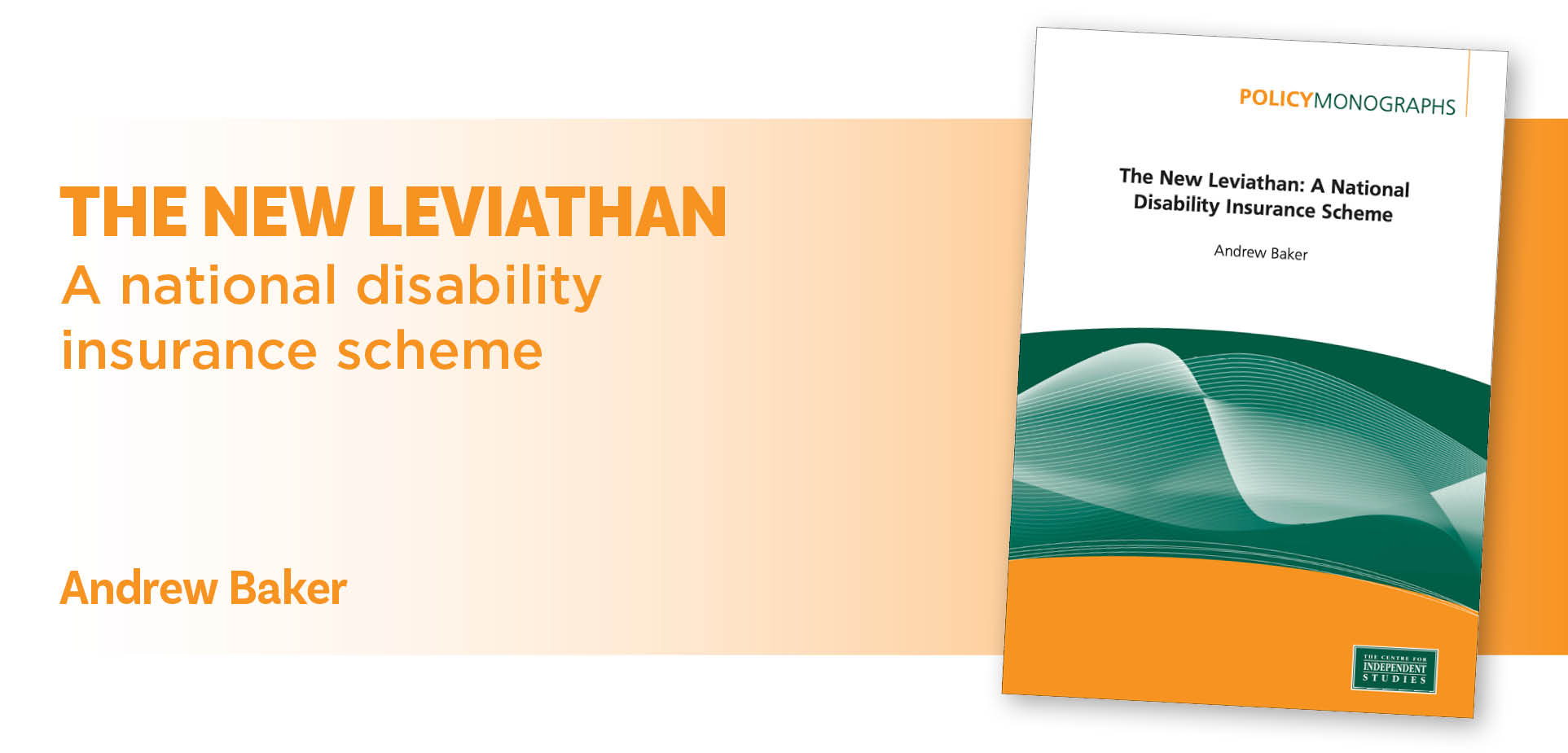
Instead, the NDIS cost has hit $52 billion and was set to reach $70 billion by 2030 before the sharp cuts announced by Minister Butler this week. The cuts would limit the cost increase to $55 billion.
That will require Butler to nail down a plan to cut the number of NDIS participants — from 760,000 now to 600,000 by 2030. Unchecked, that would expand to “well over” 900,000 by then, according to the Health Minister.
In effect, Labor proposes to cut more than 300,000 people from the scheme over the next several years. Imagine if Scott Morrison had proposed doing that. Perhaps it is only a Labor government that can clean up such a Labor mess.
CIS founder Greg Lindsay noted last year in Spectator Australia that the Gillard government’s 2013 NDIS legislation came with two other big government Labor monuments — the National Broadband Network and the Gonski school funding increases.
“All were high-water marks of the belief that governments could solve most problems by administrative rule and taxpayer-funding spending,” Greg wrote.
The off-budget, NBN government wholesale monopoly has been written down by tens of billions of dollars as it has faced wireless technology competition from the likes of Elon Musk’s Starlink.
The CIS education team has shown how increased government funding has not arrested a decline in student performance driven by poor teaching methods.
The proposed Butler reforms echo the recommendations from CIS senior fellow Steven Schwartz to deal with the explosion of “psychosocial conditions” including attention deficit disorder and autism, particularly among children.
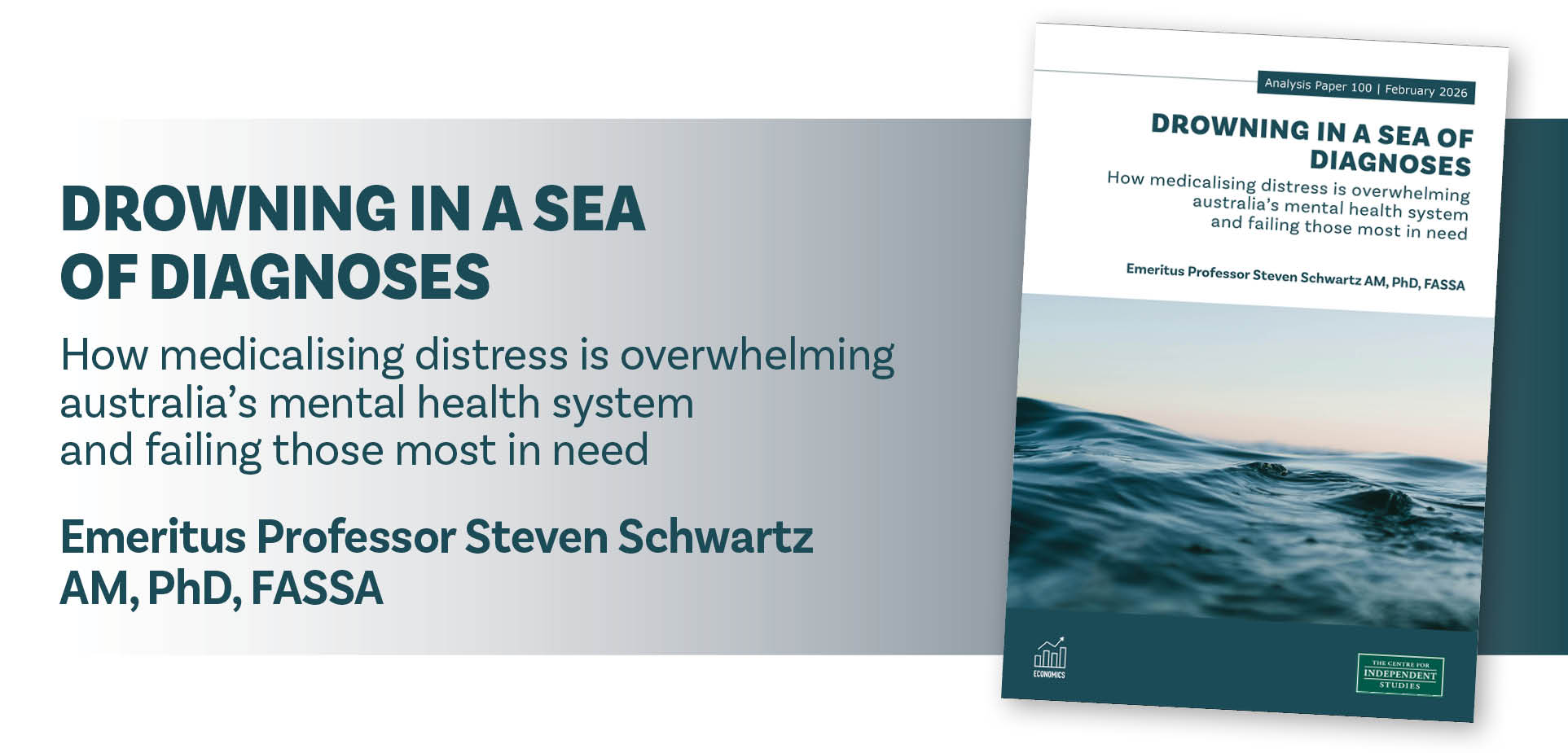
“One conclusion is impossible to avoid: the NDIS has become a significant driver of public expenditure related to mental health,” Stephen’s analysis found.
His first recommendation: “Replace diagnosis-based eligibility with functional assessment”.
This is how Minister Butler now proposes to wind back the number of people eligible for NDIS support. Rather than relying on a doctor’s diagnosis of conditions such as autism, NDIS eligibility will be determined by an independent assessment of people’s “functional capacity” to deal with day-to-day life.
After Butler’s announcement this week, Professor Schwartz says Australia’s mental health system has been producing patients rather than producing health.
“Nowhere is this clearer than in the explosion of autism diagnoses among children who then carry that label — and all its limiting expectations — for the rest of their lives,” he says.
“Functional assessment is not just a budget measure. It is a chance to give young people back their futures and ensure that resources go to those most in need. As recommended in my research, focusing on specific functional problems rather than vague diagnoses would ensure that assistance goes to those most in need.”

Home > Commentary > Opinion > Grim reality of the NDIS leviathan
Grim reality of the NDIS leviathan
“It will start big and get bigger and grow to become the new leviathan of the Australian welfare state,” CIS scholar Andrew Baker further predicted of Labor’s National Disability Insurance Scheme in his 2012 policy monograph.
Even the Productivity Commission failed to pick the looming NDIS fiscal disaster from the worthy goal of providing support to permanently and significantly disabled Australians.
The grim reality that CIS predicted nearly 15 years ago has ratcheted up the size of government, smothered the economy’s overall productivity growth, pushed up inflation, prompted the Reserve Bank to lift interest rates again and forced treasurers to seek to raise taxes.
If it sticks, Health Minister Mark Butler’s proposed fix unveiled this week amounts to a big change. From encouraging a culture of dependency, Labor now proposes to take away unaffordable benefits from a large number of people.
In 2012, Andrew Baker’s CIS analysis used the experience of similar schemes overseas to question official forecasts that the NDIS could cost $15 billion or so a year servicing 411,000 people.
Instead, the NDIS cost has hit $52 billion and was set to reach $70 billion by 2030 before the sharp cuts announced by Minister Butler this week. The cuts would limit the cost increase to $55 billion.
That will require Butler to nail down a plan to cut the number of NDIS participants — from 760,000 now to 600,000 by 2030. Unchecked, that would expand to “well over” 900,000 by then, according to the Health Minister.
In effect, Labor proposes to cut more than 300,000 people from the scheme over the next several years. Imagine if Scott Morrison had proposed doing that. Perhaps it is only a Labor government that can clean up such a Labor mess.
CIS founder Greg Lindsay noted last year in Spectator Australia that the Gillard government’s 2013 NDIS legislation came with two other big government Labor monuments — the National Broadband Network and the Gonski school funding increases.
“All were high-water marks of the belief that governments could solve most problems by administrative rule and taxpayer-funding spending,” Greg wrote.
The off-budget, NBN government wholesale monopoly has been written down by tens of billions of dollars as it has faced wireless technology competition from the likes of Elon Musk’s Starlink.
The CIS education team has shown how increased government funding has not arrested a decline in student performance driven by poor teaching methods.
The proposed Butler reforms echo the recommendations from CIS senior fellow Steven Schwartz to deal with the explosion of “psychosocial conditions” including attention deficit disorder and autism, particularly among children.
“One conclusion is impossible to avoid: the NDIS has become a significant driver of public expenditure related to mental health,” Stephen’s analysis found.
His first recommendation: “Replace diagnosis-based eligibility with functional assessment”.
This is how Minister Butler now proposes to wind back the number of people eligible for NDIS support. Rather than relying on a doctor’s diagnosis of conditions such as autism, NDIS eligibility will be determined by an independent assessment of people’s “functional capacity” to deal with day-to-day life.
After Butler’s announcement this week, Professor Schwartz says Australia’s mental health system has been producing patients rather than producing health.
“Nowhere is this clearer than in the explosion of autism diagnoses among children who then carry that label — and all its limiting expectations — for the rest of their lives,” he says.
“Functional assessment is not just a budget measure. It is a chance to give young people back their futures and ensure that resources go to those most in need. As recommended in my research, focusing on specific functional problems rather than vague diagnoses would ensure that assistance goes to those most in need.”
• Subscribe
Subscribe now and stay in the loop with our giving appeals, event alerts, newsletters and research updates.
We are always pleased to hear from you. If you have any questions or feedback, please contact us here: