Home » Weakening our society, instead of strengthening it

It can feel awkward to wish people a happy Australia Day following our deadliest terrorist attack, fire and flood disasters and the rising global disorder. On the eve of yesterday’s national day of mourning for the Bondi Beach victims, Nationals MPs revolted over Labor’s watered-down legislation to crack down on ‘hate’. Until then, Liberal leader Sussan Ley had ridden an upwelling from the Jewish community, business leaders and sporting figures, including Dawn Fraser, following Labor’s lame response to the Bondi massacre.
Centre for Independent Studies chairman Nicholas Moore and I were among signatories calling for a royal commission into antisemitism. But Anthony Albanese now has emerged from the tragedy with the opposition Coalition in disarray and Ley seriously weakened. What a centre-right cluster!
After dropping most of its racial vilification proposals, Labor combined with the Liberals to strengthen the law against the promotion of violence, including against groups that display Nazi or terrorist symbols such as Hamas flags. The Nats joined One Nation and the Greens to vote nay.
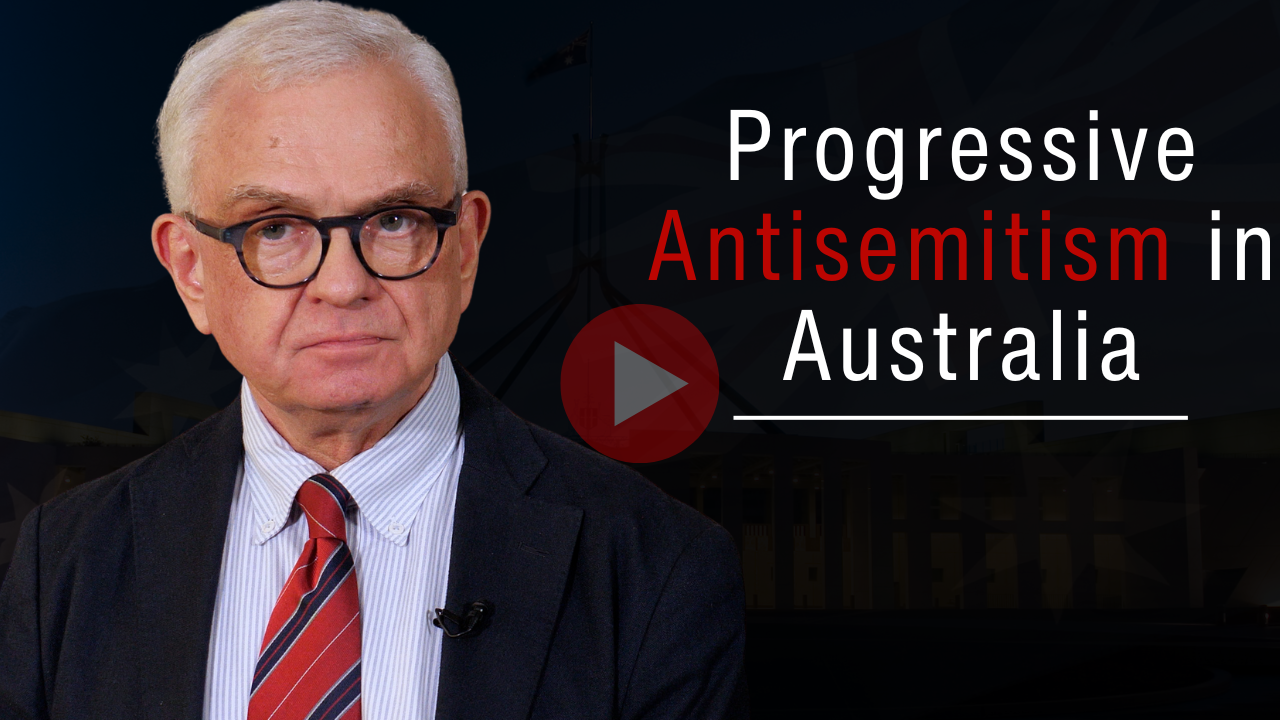
While the rushed legislation is complex, many Australians would likely back it given the Bondi tragedy. Yet a new CIS analysis by Monash University professor Philip Mendes shows why defeating antisemitism goes beyond passing laws.
It’s not just neo-Nazis and Hizb ut-Tahrir. Prof Mendes says antisemitism has become rife in so-called progressive institutions such as the universities, schools, the arts, trade unions and human rights and civil liberties bodies. Younger Australians are more likely to hold negative views about Zionism, Israel and Jews generally.
Since October 2023, Prof Mendes finds that the Greens have transitioned into an “institutionally antisemitic political party”, recalling British Labour under Jeremy Corbyn. “An enabling of antisemitism has arguably become a normal component of Greens policies and practices,” Prof Mendes writes. He categorises the National Tertiary Education Union as the prime example of a ‘bystander’ approach that remains silent when Jews are targeted.
CIS has been at the forefront of civil society concerns over rising antisemitism through our three-year research project. Our program, The New Intolerance, launched mid last year. Yet, for a classical liberal think tank, criminalising ‘hate’ risks curtailing the freedom of speech essential for a healthy society. New Intolerance director Peter Kurti last week told a hastily-convened hearing of the Parliamentary Joint Committee on Intelligence and Security that the state had a duty to respond to antisemitic violence, intimidation and harassment. But he argued that criminalising ‘hate’ — as opposed to inciting violence — risked weakening the law and society in ways that would not get to the root of antisemitism.
The Nationals’ revolt may have more to do with internal Coalition politics than the details of the antisemitism legislation itself. Either way, it confirms the disruption of the political right highlighted by Donald Trump’s MAGA capture of the US Republican Party. Echoing the UK, the populist One Nation is polling more than a Liberal Party still mourning the loss of its affluent urban heartland seats.
That bodes poorly for the policy reforms needed to revive Australian prosperity — as pushed by CIS and the OECD. The economy’s growth potential has been weakened to not much above 2% annually, the OECD confirmed this week as it backed CIS calls for explicit controls on runaway government spending and easing of planning and zoning restrictions on housing. A less prosperous nation will find it harder to combat hateful division.
Weakening our society, instead of strengthening it