Home » Commentary » Opinion » Tomago smelter deal will force taxpayers to pay twice for ‘failed’ energy policy
· DAILY TELEGRAPH
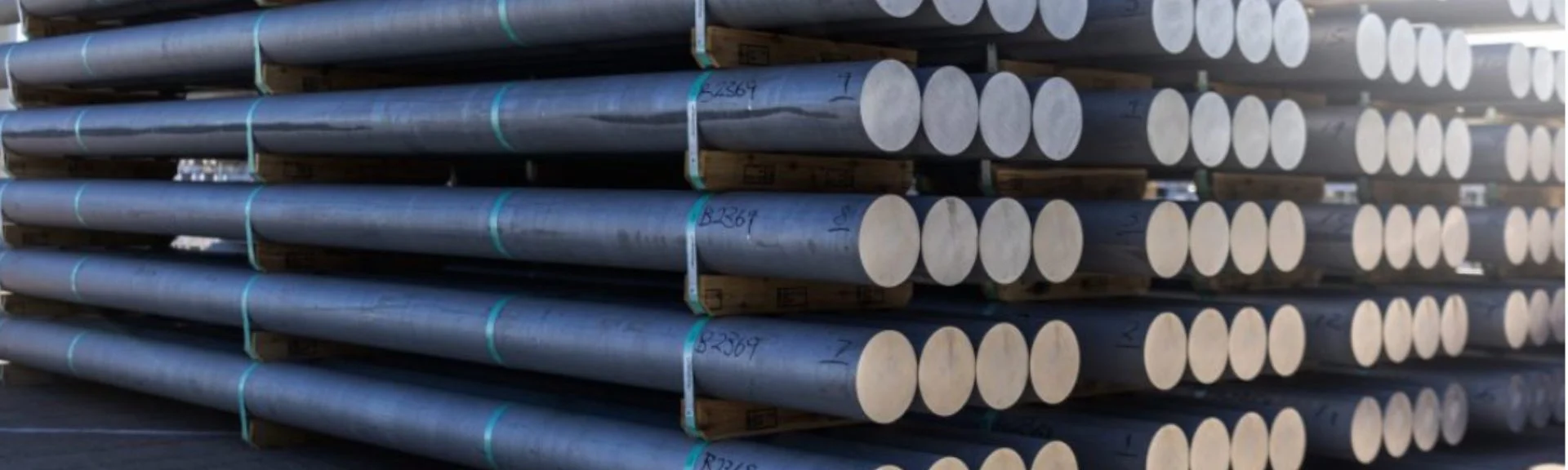
Tomago aluminium smelter’s latest subsidy deal represents a desperate attempt by the federal government to stick a band-aid solution on an economic bullet wound.
The gun that fired the bullet? The government’s own renewable energy targets.
After threatening to shut Tomago due to rising electricity prices, Rio Tinto has agreed to keep the smelter open in exchange for taxpayer-owned Snowy Hydro providing billions of dollars in subsidised power.
Industry Minister Tim Ayres claims the deal will put downward pressure on electricity prices because it will accelerate the roll-out of renewable energy in NSW.
But in reality, this deal will force taxpayers to pay twice — once for Tomago’s ongoing operations and twice for higher electricity bills due to increasing reliance on intermittent wind and solar.
Plummeting private investment in wind and solar projects has left the government desperate for opportunities like the Tomago bailout.
Such deals allow it to subsidise renewables while maintaining the fiction that firmed renewables are the cheapest form of energy.
But if firmed renewables could supply power at low enough prices for smelters to continue to operate, why was a large customer like Tomago unable to find a suitable commercial offer from developers?
Smelters getting bailed out or going bust are among the many signs that the renewable energy honeymoon is over.
As increasing amounts of intermittent wind and solar are forced into the grid, energy must be wasted, stored or shifted far away through transmission.
Each of these methods increases total system costs, and therefore electricity prices, once renewables hit around 20% of the grid.
Australia is now at 37%. So expect to see more electricity-intensive industry bailouts as the low-cost energy advantage our country once had continues to erode.
Zoe Hilton is a Senior Policy Analyst at the Centre for Independent Studies.
Tomago smelter deal will force taxpayers to pay twice for ‘failed’ energy policy